Research, methods, and what we are learning
Technical posts from the RLWRLD team on manipulation, point-cloud learning, and industrial deployment.
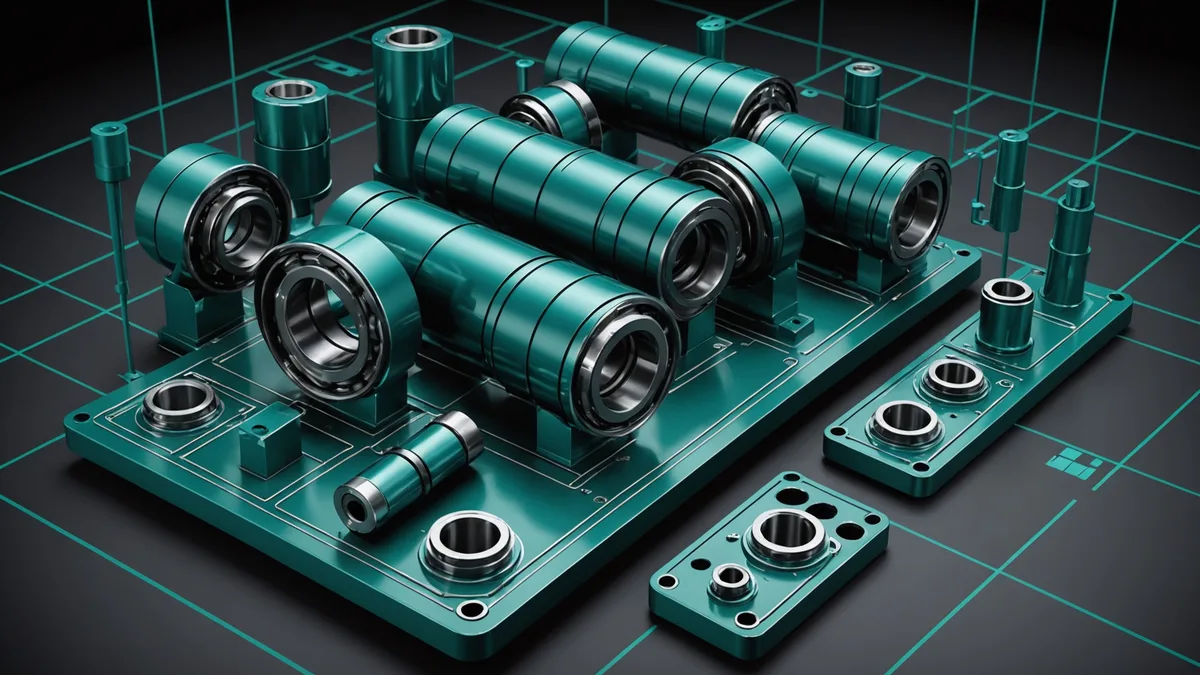
Generalizing Robot Grasps Across Object Geometries
We present our approach to building grasp policies that transfer across object shape families, using point cloud patch tokenization and contrastive representation learning.

Point Cloud Transformers for Unseen Part Manipulation
A deep-dive into our transformer architecture choices for processing depth sensor inputs from novel industrial parts.
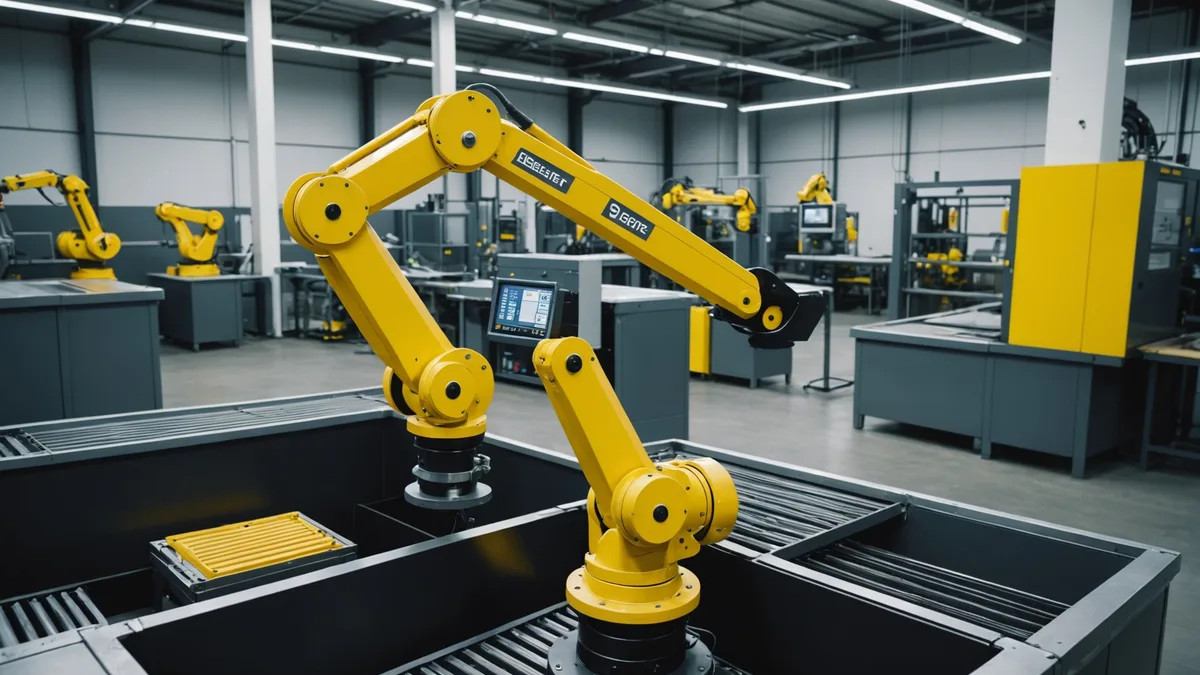
Deploying Foundation Models on FANUC Robot Cells
What we learned running our model on FANUC LR Mate hardware for the first time, covering calibration, latency, and picking the right sensor configuration.
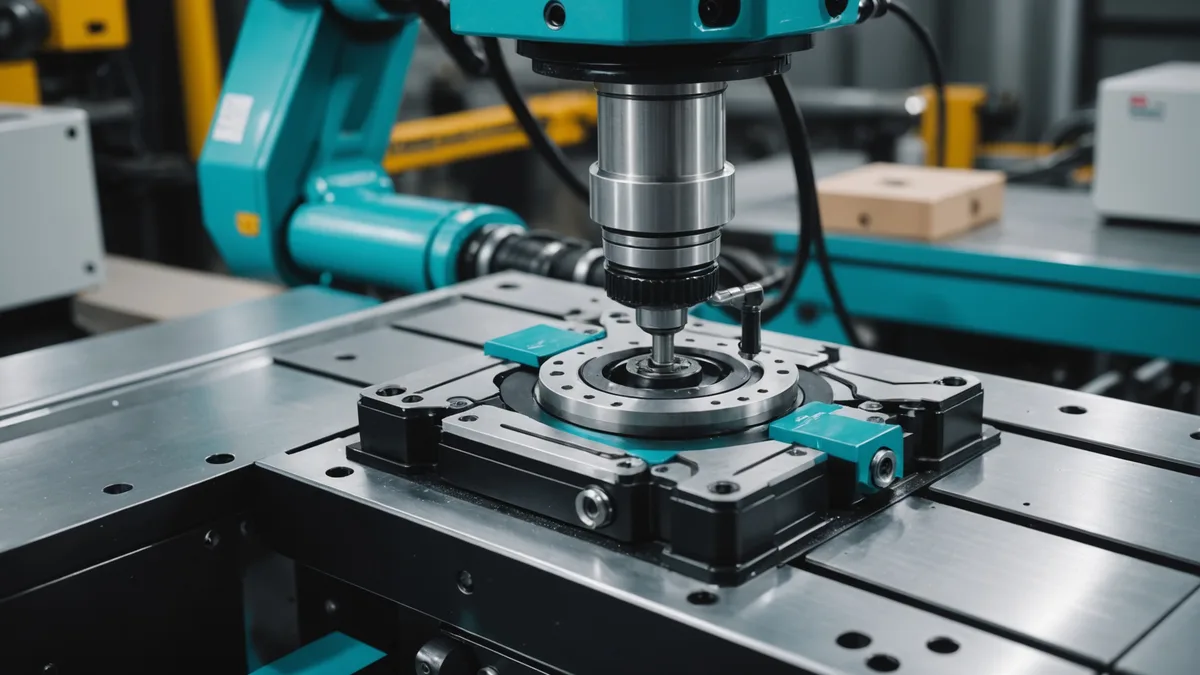
Force-Torque Feedback in Foundation Model Assembly Tasks
Integrating force-torque sensor signals into the model's action head to handle compliant placement with fragile or high-tolerance parts.
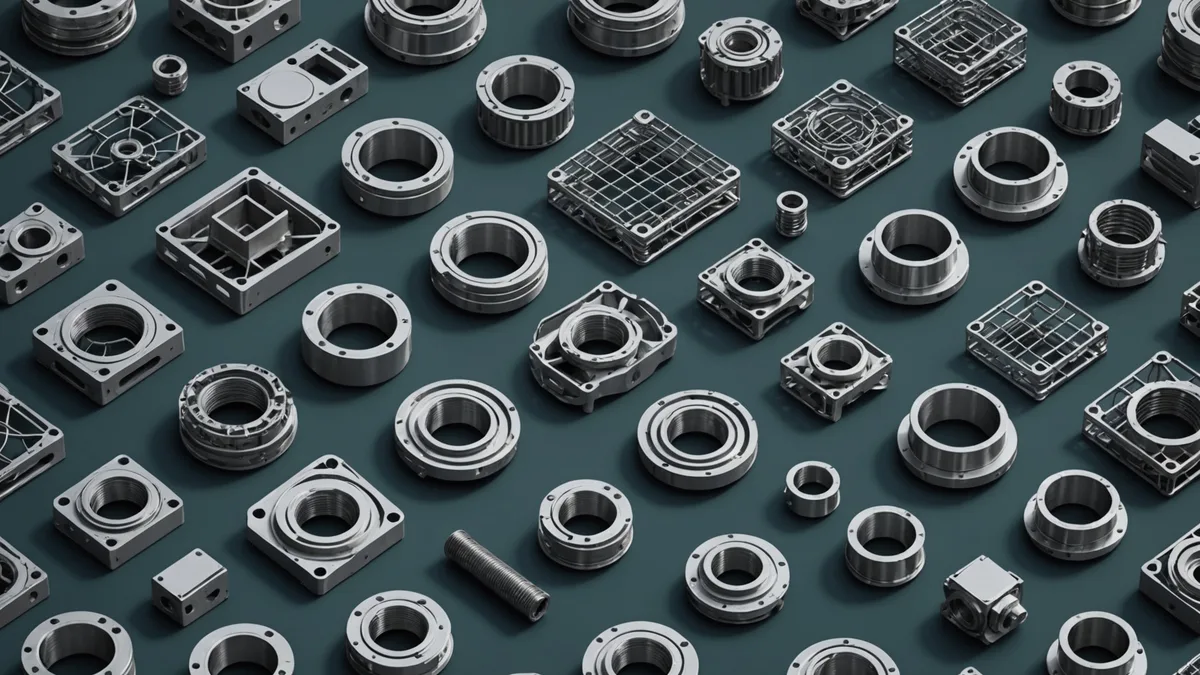
Building the RLWRLD Manipulation Benchmark (RMB-2K)
How we designed a 2,000-mesh evaluation suite covering 20 industrial part categories, and why existing grasping benchmarks do not fit the manufacturing setting.
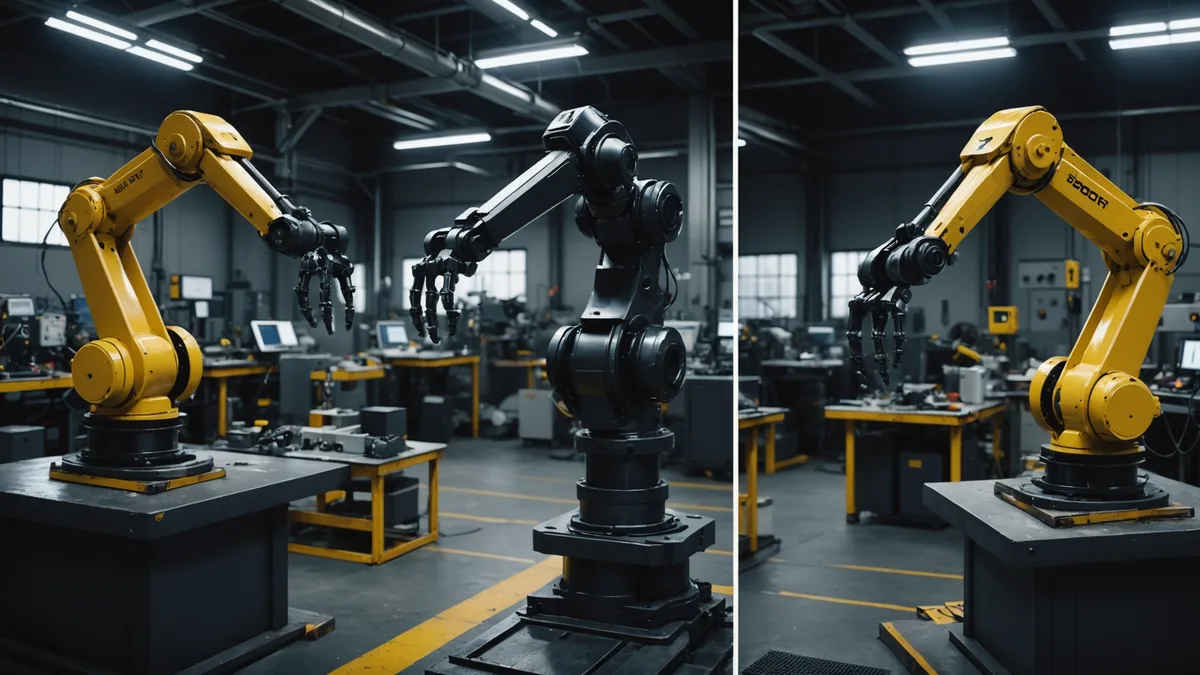
Closing the Sim-to-Real Gap for Industrial Manipulation
Industrial settings are visually noisier than tabletop benchmarks. We describe our domain randomization strategy for factory lighting, surface reflectance, and part clutter.
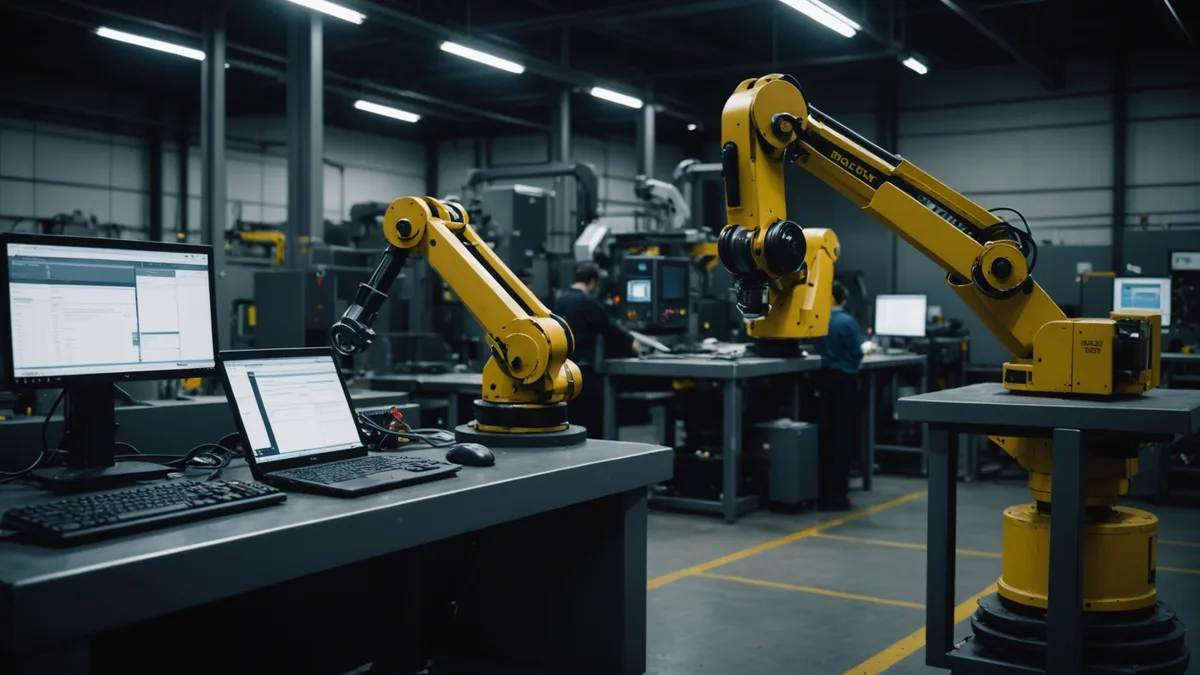
What Re-Teaching a Robot Cell Actually Costs Manufacturers
We interviewed a dozen automation engineers about SKU changeover costs. The numbers were worse than we expected, and mostly invisible in standard productivity metrics.
RLWRLD Joins Japan Robot Association as Associate Member
We are now an associate member of the Japan Robot Association (JARA), giving us better access to industry standards, testing facilities, and manufacturing partners.
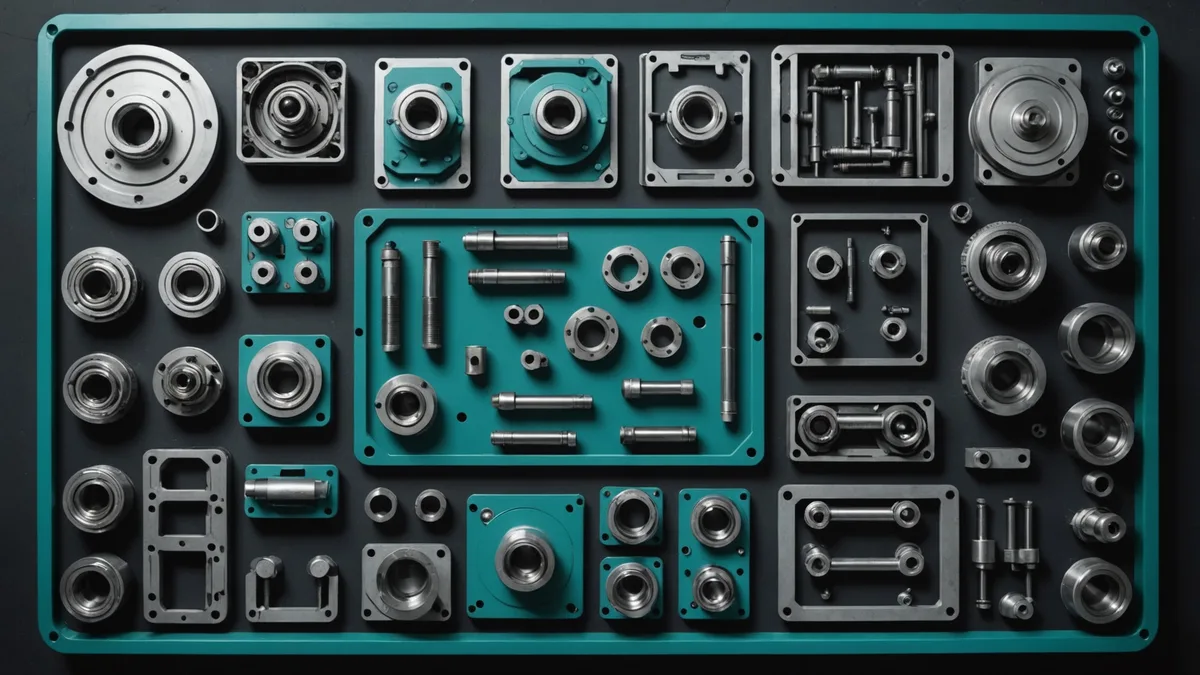
Object-Centric Representations for Zero-Shot Pick and Place
Breaking the scene into object-centric representations lets us reason about each part independently, a key step toward flexible robot cells that need no part-specific programming.

Training a Unified Grasp Policy Across 20 Object Categories
Training data curation, category balancing, and augmentation strategies for a grasp policy that generalizes from bearings to brackets to connectors.

Language-Conditioned Manipulation: Where the Latest Research Stands
A survey of recent work on using natural language to specify manipulation tasks, covering what transfers to industrial settings and what does not.

We Are Hiring Robotics Engineers in Tokyo
We are looking for Research Engineers, Robotics Software Engineers, and ML Engineers to join us in Bunkyo-ku. Here is what we are building and what the role looks like.